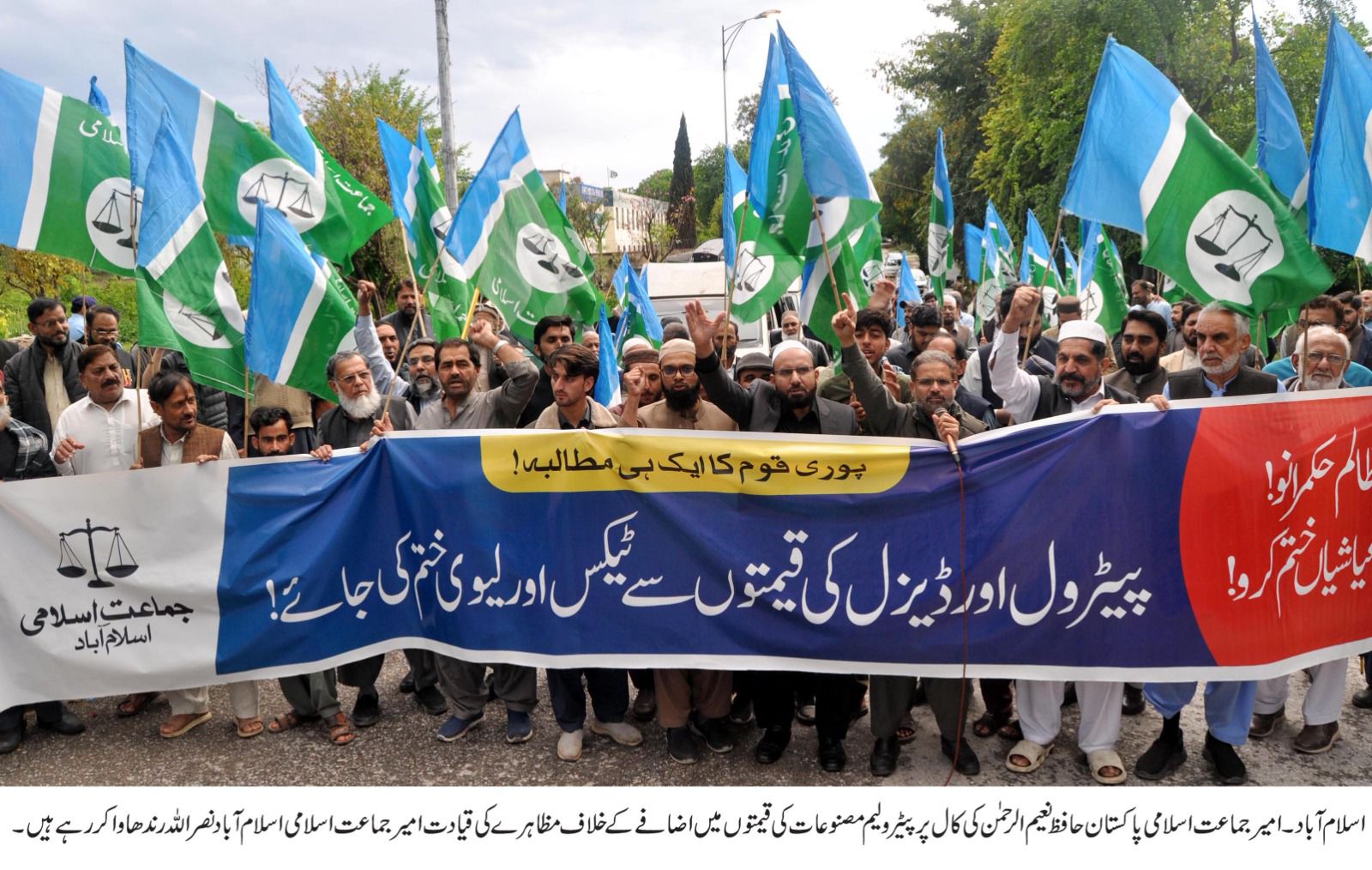
Bangladesh Jamaat-e-Islami has emerged as the second major political force in the 13th parliamentary election, positioning itself as the principal opposition after the BNP secured more than two-thirds of the seats.
Riding on the momentum following the July uprising, the religion-based party, which has re-emerged as a new political force, has secured 68 seats on its own. Its 11-party alliance bagged 77 seats in total.
Jamaat’s highest tally before this was the 18 seats it won in the 1991 election.
Its seat count would have been higher had its candidates not lost narrowly in at least 50 constituencies, according to party insiders.
“An election has taken place after many years, and there are many new voters. Compared to others, Jamaat’s influence among young voters has increased somewhat. This was also evident in student union elections
Also, many who might have once voted for the boat or plough symbols have voted for Jamaat this time.
Furthermore, having been “persecuted” for more than one and a half decades during the AL rule, Jamaat appears to have gained greater public sympathy in the new political reality following the uprising.
Voters were also drawn by the party’s organisational strength and its pledge to establish a “new political settlement” beyond the traditional AL–BNP divide.
Jamaat candidates performed particularly well in the border areas of Khulna, Rajshahi and Rangpur.
In addition, Jamaat and its allies secured seven seats in Dhaka this time after failing to win any in previous elections.
According to unofficial results of the 13th parliamentary election, Jamaat candidates won all four seats in Satkhira. The party secured four out of five seats in Gaibandha and five out of six in Rangpur, while its alliance partner NCP won the remaining seat there.
Jamaat’s electoral symbol, the scales, won three out of five seats in Pabna. The party also secured two seats each in Rajshahi and Khulna.
However, Mohiuddin believes Jamaat may not have been able to secure significantly more seats than it did this time.
“Had the election been held six months earlier, the BNP might have received more votes. If the BNP had no rebel candidates, its vote share might have been higher. “
In that sense, it can be said that Jamaat has benefited considerably.
“Jamaat is the most organised party. Moreover, it had no rebel candidates. This is also a reason behind its increased vote share,” he added.
If a political party has clear goals and objectives, and demonstrates sacrifice and dedication, it is natural for that party to establish itself, said Sabbir Ahmed, a professor of political science at the University of Dhaka.
“Regardless of allegations of anti-independence positions, people have accepted them. A bigger factor than ideology is how they have acted as a human agency. Moreover, they have reaped the results of enduring repression and persecution for 17 years in this election.”
They may have infiltrated the Chhatra League, which was a mistake.
But by staying covert, they managed to survive and eventually benefited.
“Morally, it may not have been right.”
The repression during the AL rule boosted Jamaat’s popularity alongside the BNP.
“This has increased Jamaat’s acceptability. I believe this is also the result of their planned
efforts.”
In the one and a half years following the uprising, Jamaat tried to reach out to people as much as possible.
“They attempted to adopt the kind of political behaviour expected in engaging with voters. Voters also thought that if someone helps them, addresses their economic problems and reasonably tries to resolve their social issues